Tracing Interplay Between Session Durations and Prize Pool Evolutions in Portable Card and Reel Formats
Taylor Krause · Oct 15, 2026
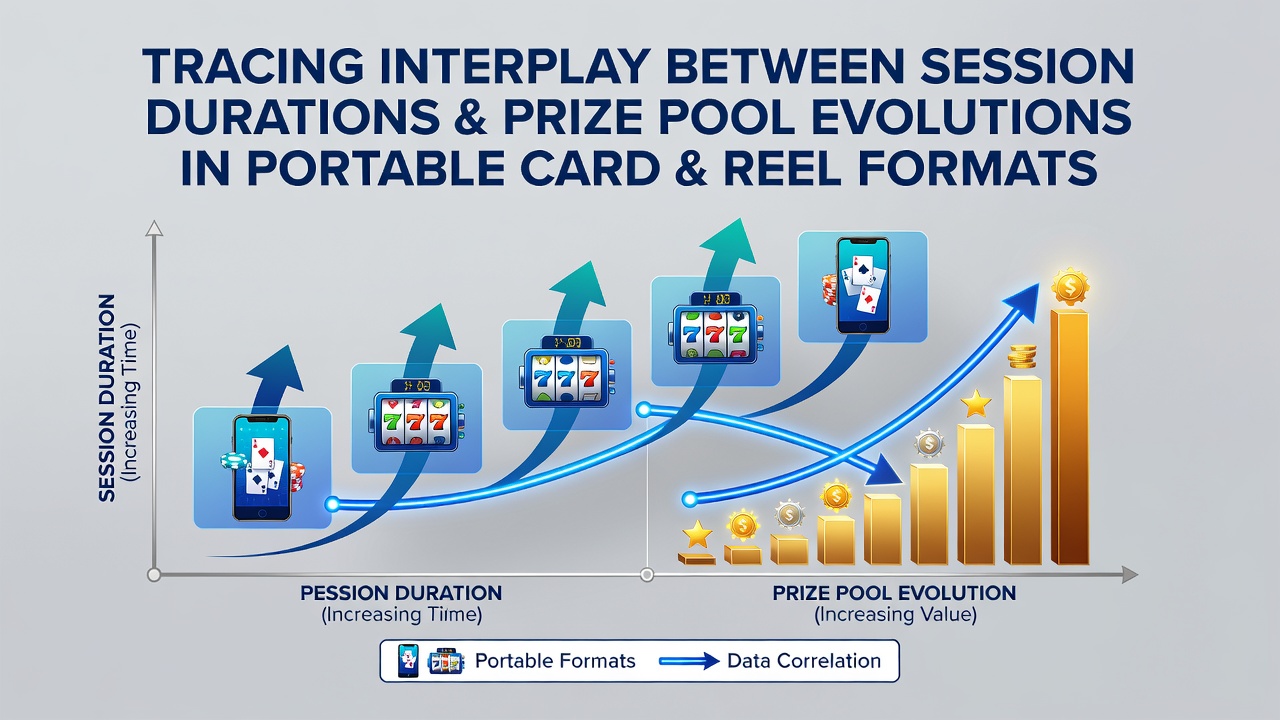
Tracing Interplay Between Session Durations and Prize Pool Evolutions in Portable Card and Reel Formats
Portable card formats such as mobile poker tournaments and reel formats like video slots on handheld devices demonstrate measurable connections between how long users remain engaged and how prize pools expand over time. Data from regulatory filings indicate that session lengths in these environments directly influence contribution rates to shared prize structures, with longer play periods feeding incremental additions to both tournament leaderboards and progressive reel jackpots. Observers note that this dynamic appears across platforms where real-time betting activity accumulates funds without requiring separate deposit actions from participants.
Session Length Patterns in Card-Based Mobile Play
Card formats on portable devices often feature structured tournament rounds where average session durations range from 45 minutes to several hours depending on entry stakes and player retention mechanics. Researchers tracking activity through anonymized logs have found that sessions exceeding 90 minutes correlate with higher rates of prize pool growth because each additional hand or round triggers rake contributions that scale the available payouts. In contrast shorter bursts of 20 to 30 minutes tend to stabilize existing pools rather than expand them significantly since fewer betting cycles complete before users exit the application.
Platform operators record these patterns through backend analytics that timestamp entry and exit events alongside cumulative wager volumes. Evidence suggests regional differences emerge when comparing North American markets to those in Europe with the former showing extended evening sessions that accelerate pool maturation while the latter exhibit more fragmented daytime activity that builds pools gradually across multiple user cohorts.
Reel Format Dynamics and Prize Accumulation
Reel-based games on mobile devices rely on progressive jackpot systems where each spin deducts a small percentage that feeds into growing prize tiers. Session durations here influence accumulation because extended play increases the frequency of contributions per user without necessarily altering the base bet size. Figures from industry reports reveal that average reel sessions lasting over one hour generate approximately 18 percent more incremental additions to linked prize pools compared with sessions under 30 minutes even when total wager amounts remain comparable.
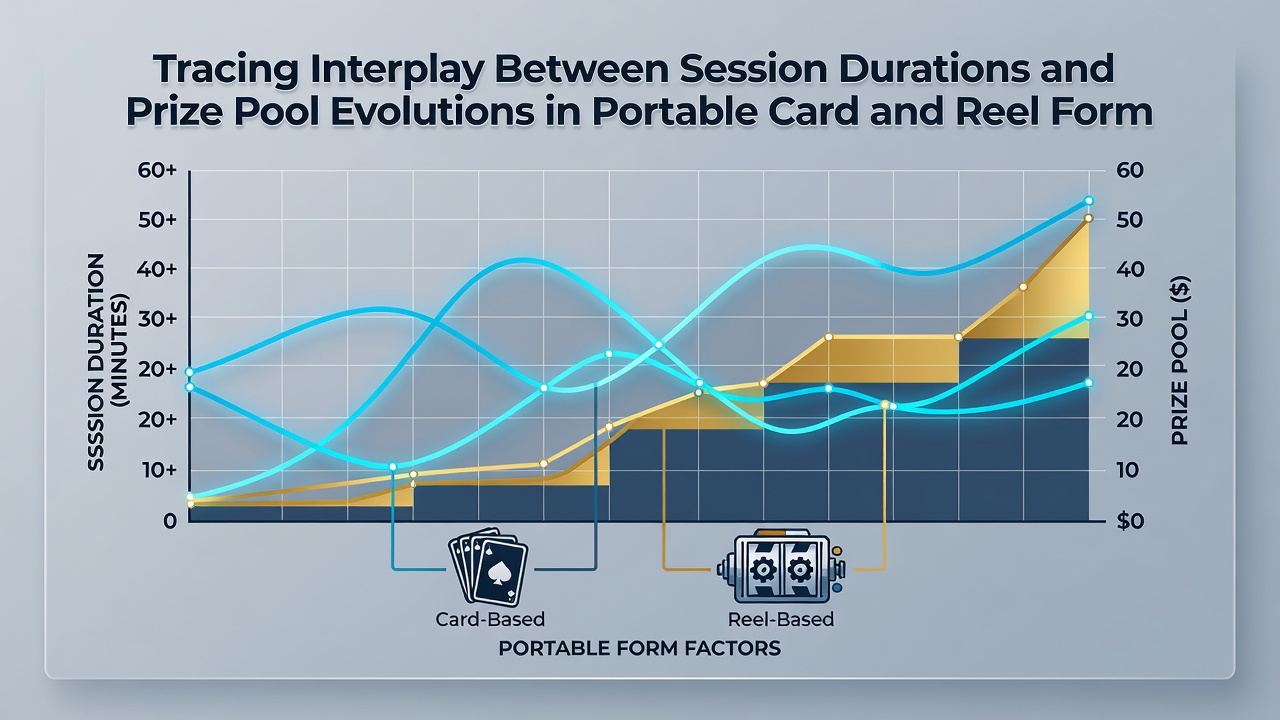
October 2026 records from multiple jurisdictions show reel formats experiencing accelerated pool growth during peak evening hours when users report longer continuous play intervals. This pattern holds across both fixed and variable volatility titles though the effect magnifies in games with higher hit frequencies that encourage sustained engagement rather than quick exits after single wins.
Measured Interactions Between the Two Formats
Cross-format analysis reveals that users who alternate between card and reel sessions within the same portable application often extend overall play time which in turn compounds prize pool contributions across both categories. One study of aggregated transaction data found that hybrid users maintained sessions averaging 25 percent longer than single-format participants resulting in measurable uplift for both poker tournament guarantees and slot progressive meters during overlapping periods. Regulatory bodies in New Jersey have documented similar trends through required monthly reporting that links session telemetry to prize pool ledgers.
What's interesting is how volatility in reel outcomes can shorten or lengthen subsequent card sessions for the same users. Data indicates that large reel wins sometimes trigger immediate switches to card formats where players invest portions into tournament entries thereby transferring momentum from one prize pool to another within minutes. Conversely extended card play without favorable outcomes frequently leads users toward reel formats where shorter session options allow quicker prize pool interactions.
Regional Data and Platform Variations
Reports from the Alcohol and Gaming Commission of Ontario highlight that mobile card tournaments in that province experienced prize pool expansions tied to average session increases of 12 minutes between 2025 and 2026. Similar filings from Pennsylvania show reel formats achieving pool thresholds faster when session duration metrics exceed baseline levels recorded in prior quarters. These patterns remain consistent even after adjusting for differences in user demographics and device types.
Platform developers have incorporated session tracking features that display real-time contribution estimates to users which some studies suggest further influences play length. When players see direct connections between continued engagement and prize pool movement they tend to extend sessions by small increments that collectively accelerate pool evolution across both card and reel environments.
Conclusion
The documented relationships between session durations and prize pool changes in portable card and reel formats rest on aggregated operational data rather than isolated observations. Continued monitoring by regulatory agencies and platform providers will clarify how these interactions evolve with new device capabilities and regional policy adjustments through late 2026 and beyond.