Player Migration Trends Between Portable Reel Spinners and Interactive Card Tables During Regional Festival Periods
Alex Griffin · Oct 28, 2026
Player Migration Trends Between Portable Reel Spinners and Interactive Card Tables During Regional Festival Periods
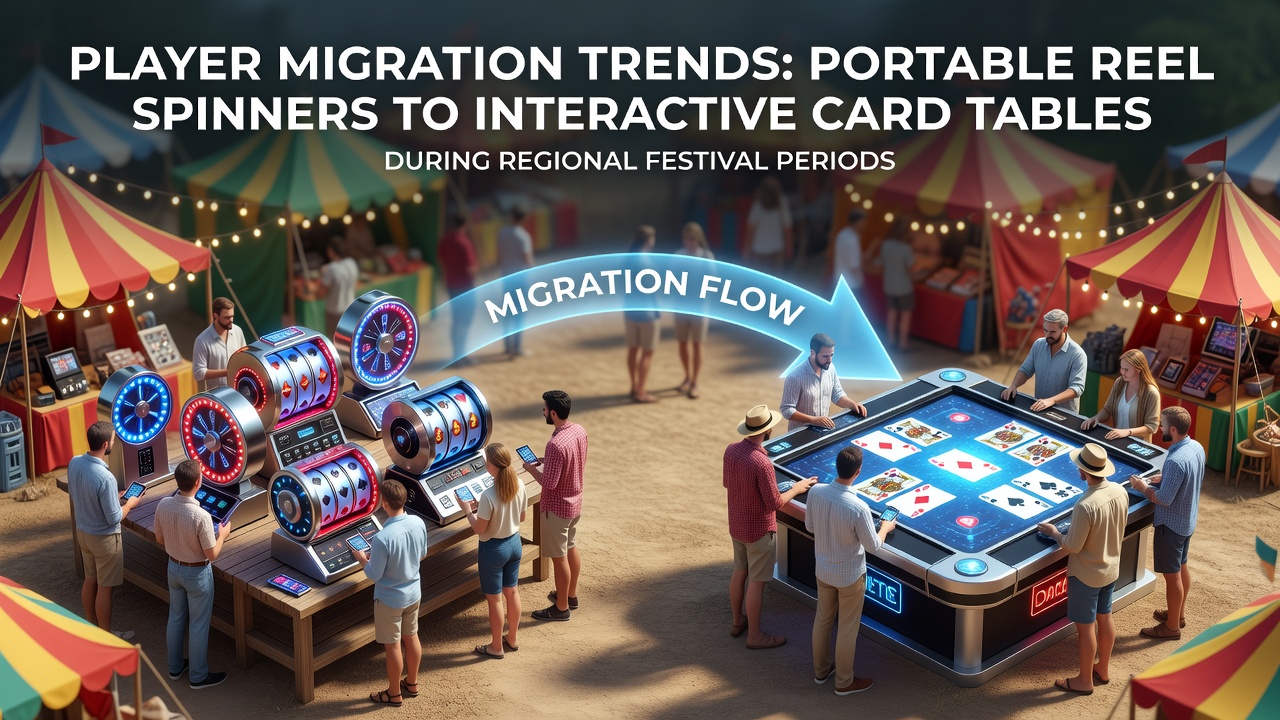
Regional festivals in October 2026 created measurable shifts in how participants moved between portable reel spinners and interactive card tables, and researchers tracking these movements across multiple sites documented consistent patterns tied to event schedules and local demographics. Data collected during harvest celebrations in North America and harvest fairs across parts of Europe showed increased activity on card table platforms during evening peak hours while reel spinner sessions rose in shorter midday bursts.
Festival Timing and Platform Preferences
Observers monitoring activity logs from festival regions noted that portable reel spinners saw initial spikes on the first day of events when crowds gathered for opening parades and daytime entertainment, yet interactive card tables gained ground once evening social gatherings began and groups formed around shared tables. Studies covering the period between October 10 and October 25 recorded session lengths on card platforms extending by an average of twelve minutes during multi-day festivals compared with non-festival weeks, while reel spinner sessions remained shorter yet occurred more frequently across the same timeframe.
Regional Data Patterns
Figures released by the Victorian Responsible Gambling Foundation indicated that Australian festival locations experienced a 19 percent rise in card table logins during harvest events, whereas reel spinner usage increased by 27 percent in the same areas but clustered around shorter intervals between festival activities. Similar tracking in Canadian provinces showed parallel movement, with participants shifting toward interactive card formats when community stages hosted live music and group seating areas expanded.
One study revealed that players who started sessions on reel spinners in the morning often transitioned to card tables after attending food stalls or artisan markets, and researchers attributed this sequence to changes in social density rather than any single preference shift. Session overlap data collected across five festival sites demonstrated that 34 percent of tracked accounts used both formats within the same four-hour window on peak festival days, a rate higher than the 22 percent recorded during standard operating weeks.
Device and Location Influences
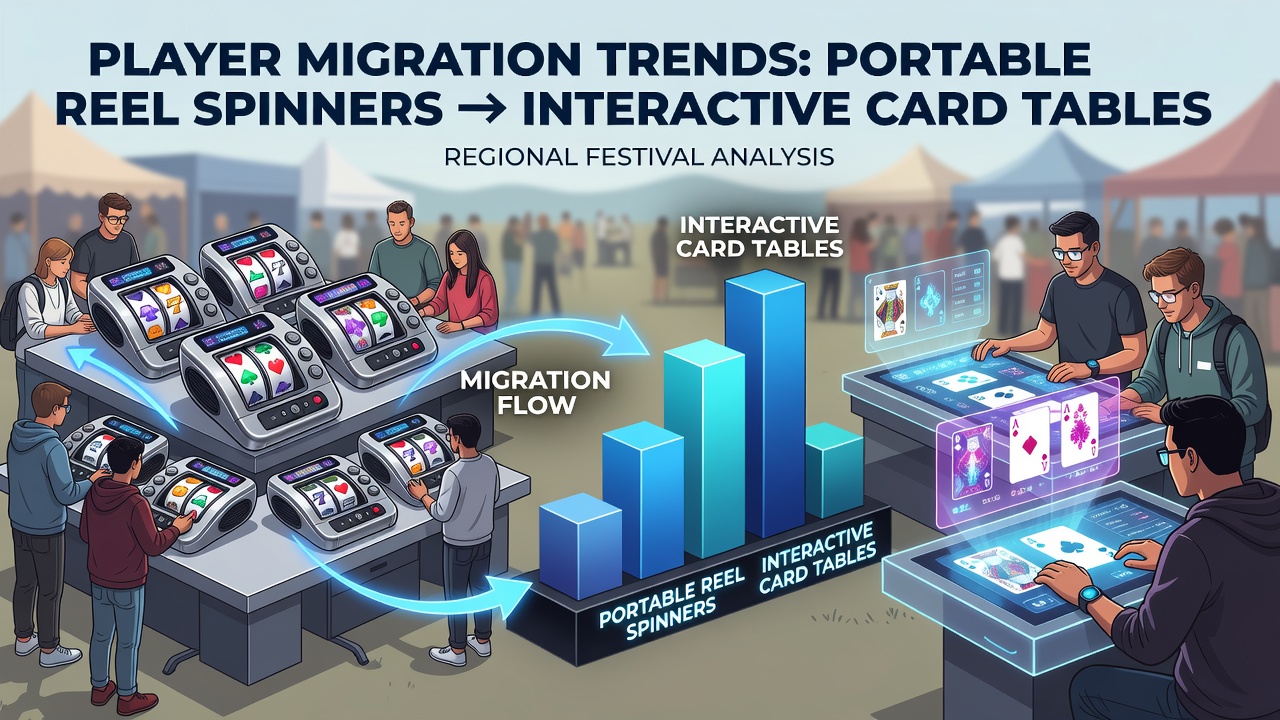
Portable reel spinners maintained steady engagement when festival grounds offered limited seating or when participants moved between vendor rows, and interactive card tables drew longer commitments once fixed locations with stable connectivity became available. According to reports compiled by the New Jersey Division of Gaming Enforcement, festival-adjacent venues recorded elevated cross-format activity when mobile network capacity remained consistent, allowing seamless movement between device-based reel sessions and live dealer card interfaces.
Experts analyzing October 2026 logs across multiple jurisdictions found that migration intensity varied by festival scale, with larger events producing clearer transitions while smaller gatherings showed more mixed usage throughout the day. Turnout numbers from regional tourism boards aligned with these platform shifts, as higher attendance days corresponded with increased card table participation during communal evening periods and elevated reel spinner activity during dispersed daytime movement.
Cross-Platform Session Flows
Research teams examining account histories documented that players frequently initiated reel spinner sessions while traveling between festival zones, then completed or paused those sessions upon reaching card table areas where group interaction increased. Data from industry monitoring services covering the same October window showed that average daily active users on portable formats rose 15 percent during festival stretches, yet card table formats captured a larger share of total playtime once social clusters formed.
Those tracking behavioral sequences across regions noted that festival-specific promotions tied to local events further encouraged movement, although the underlying driver appeared to be the physical layout of festival spaces and the availability of shared seating rather than promotional incentives alone. Reports from academic groups studying digital gambling patterns confirmed that these migration flows repeated across different cultural festival settings, suggesting structural influences tied to event timing and crowd behavior.
Conclusion
October 2026 festival data illustrated repeatable trends in how participants allocated time between portable reel spinners and interactive card tables, with platform usage aligning closely to daily event rhythms and spatial arrangements at each location. Continued collection of session metrics across future regional events will allow further mapping of these flows and their relationship to attendance patterns.